Gossamer Gear Polycryo Tent Footprint Review
Gossamer Gear's clear, plant-based polycryo ground cloth is a $13 way to shield a tent floor, but it is heavier than before and tears with rough handling.
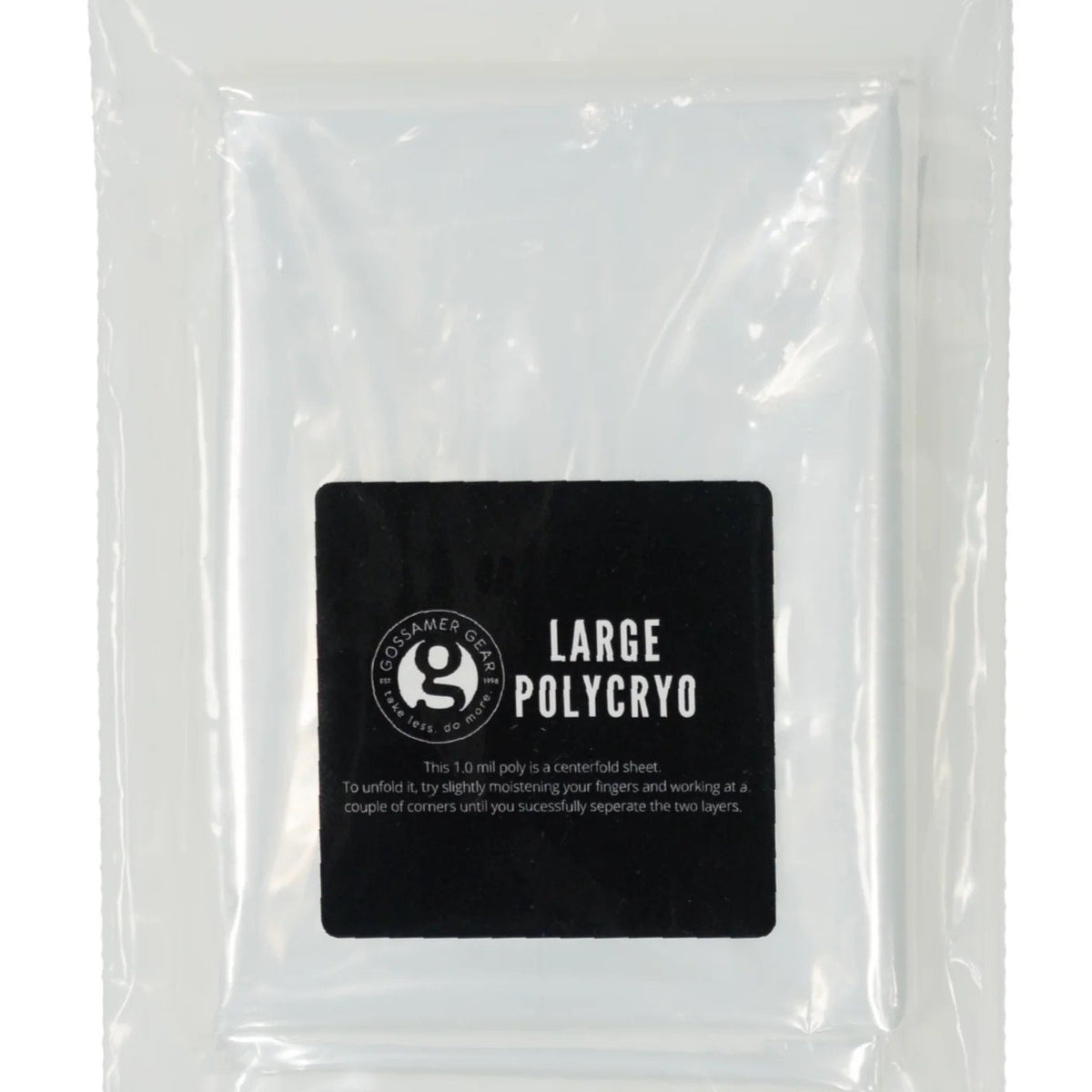
Overview
The Polycryo Tent Footprint is a clear plastic sheet, 72 by 96 inches, that sits under a tent or tarp and takes the abuse so the floor doesn’t have to. It has been a staple of thru-hiker gear lists for years, and Gossamer Gear has now moved it to PolyEarthylene®, a USA-made, biobased polyolefin that can be recycled or left to biodegrade in a landfill. The trade-off is the usual one for this category: very little weight and money in exchange for a material that wants careful handling.
Key Specs
| Spec | Detail |
|---|---|
| Weight | 168 g (5.9 oz) |
| Dimensions | 72 x 96 in (183 x 244 cm) |
| Material | PolyEarthylene® biobased polyolefin |
| Thickness | 0.75 mil |
| Color | Clear |
| Price | $13 |
| Made in | USA |
| End of life | Recyclable (typically plastics codes 2, 4, 5); biodegrades in a landfill in roughly 1–5 years |

Build your Gear Closet
View all of your gear in one place, create packing lists and hit the trail with confidence. Available on iOS, Android and the web.
Get StartedPerformance
Weight. At 168 g in its full size, the sheet is light but no longer the featherweight it once was. Gossamer’s earlier cross-linked polyolefin version in the same 72 x 96 in dimensions was listed at 104 g, so the new material adds about 64 g. Because the sheet cuts cleanly with scissors, most solo hikers trim it to the tent’s floor and recover much of that. Adventure Alan, a gear retailer, suggests removing about a third of the sheet for solo tents.
Puncture protection. This is what polycryo is for. SectionHiker’s reviewer calls the earlier Gossamer sheet waterproof and surprisingly puncture-resistant, and describes reusing a single sheet for a year or more as a barrier under inflatable pads and ultralight tent floors. Because the film is transparent, a stray pinecone or pebble is visible before the tent goes down, which is a small but real advantage over opaque sheets.
Tearing. Puncture resistance and tear resistance are different things. Hikers on forums describe the same pattern: once a polycryo sheet gets a nick, it can run along the edge. One Backpacking Light poster had a sheet shredded within days on rough granite, then got two seasons from the next one. A JMT hiker described wind-whipped setups that ended with several smaller sheets. Others report dozens of nights from one piece, with small edge tears stopped by a strip of tape (the film accepts tape, unlike Tyvek). The common advice is to clear the pitch, weigh the corners down with rocks until the pad is in place, and treat the sheet as a consumable. Retailers put realistic life at one to three seasons, and thru-hikers often cut a sheet to size and expect to replace it partway through a long trail.
Condensation and heat. The film doesn’t breathe, so it collects moisture overnight on the ground side. Hikers shake it out, hang it during breakfast, or spread it in the sun at a snack break. Some stuff it in an outer pocket so a damp sheet stays away from the rest of the kit. The film is also shrink-wrap-type material and can contract in high temperatures, which is mostly a concern in desert heat.
Handling. Thin sheets stick to themselves when new, so licking a fingertip helps separate the layers. Folded, it packs smaller than bunched, though it never returns to its factory flatness once used. In wind, a loose sheet is a nuisance.
Environmental angle. The plant-based formulation is a genuine point of difference from conventional petroleum-based polycryo. Gossamer notes the sheet should be carried out and disposed of properly, not left on trail.
Pros & Cons
Pros
- 168 g for a full 72 x 96 in sheet, and trimmable to less
- $13 cost makes replacing it a minor expense
- Strong puncture resistance for its weight
- Transparent, so debris is easy to spot before pitching
- Tape repairs hold
- Biobased, recyclable material made in the USA
Cons
- About 64 g heavier than the previous 104 g polycryo sheet at the same size
- Tears can propagate once started
- Needs gentle handling and rocks or stakes in wind
- Doesn’t breathe, so it collects condensation
- Typically lasts a few seasons at best
Who Should Buy This
Hikers using a non-freestanding or ultralight tent with a thin floor, tarp-and-bivy sleepers who want a cheap ground barrier, and thru-hikers who accept replacing it partway through a trail. It also suits anyone who wants to protect a pricey Dyneema Composite Fabric (DCF) floor without adding much weight. Trimmed to fit and used with a little care, it earns its place.
Skip it if setups tend to be rushed or the ground is rough, sharp granite, or if the goal is a single sheet that lasts for years. Hikers in that group are better served by Tyvek or a purpose-made DCF groundsheet, accepting extra grams. Gram counters who want the least possible weight should cut the sheet down aggressively.
Verdict
The Polycryo Tent Footprint remains the cheapest effective way to keep a thin tent floor intact, and the plant-based material is a worthwhile update. The added weight over the earlier sheet and the fragile-once-nicked character keep it from a higher score. Buy it to trim and replace, not to treat as permanent equipment.