Niviuk Klimber 3 P Review
A deep dive into the Niviuk Klimber 3 P, an EN D two-liner built for hike & fly racing and vol-biv missions where every gram counts.
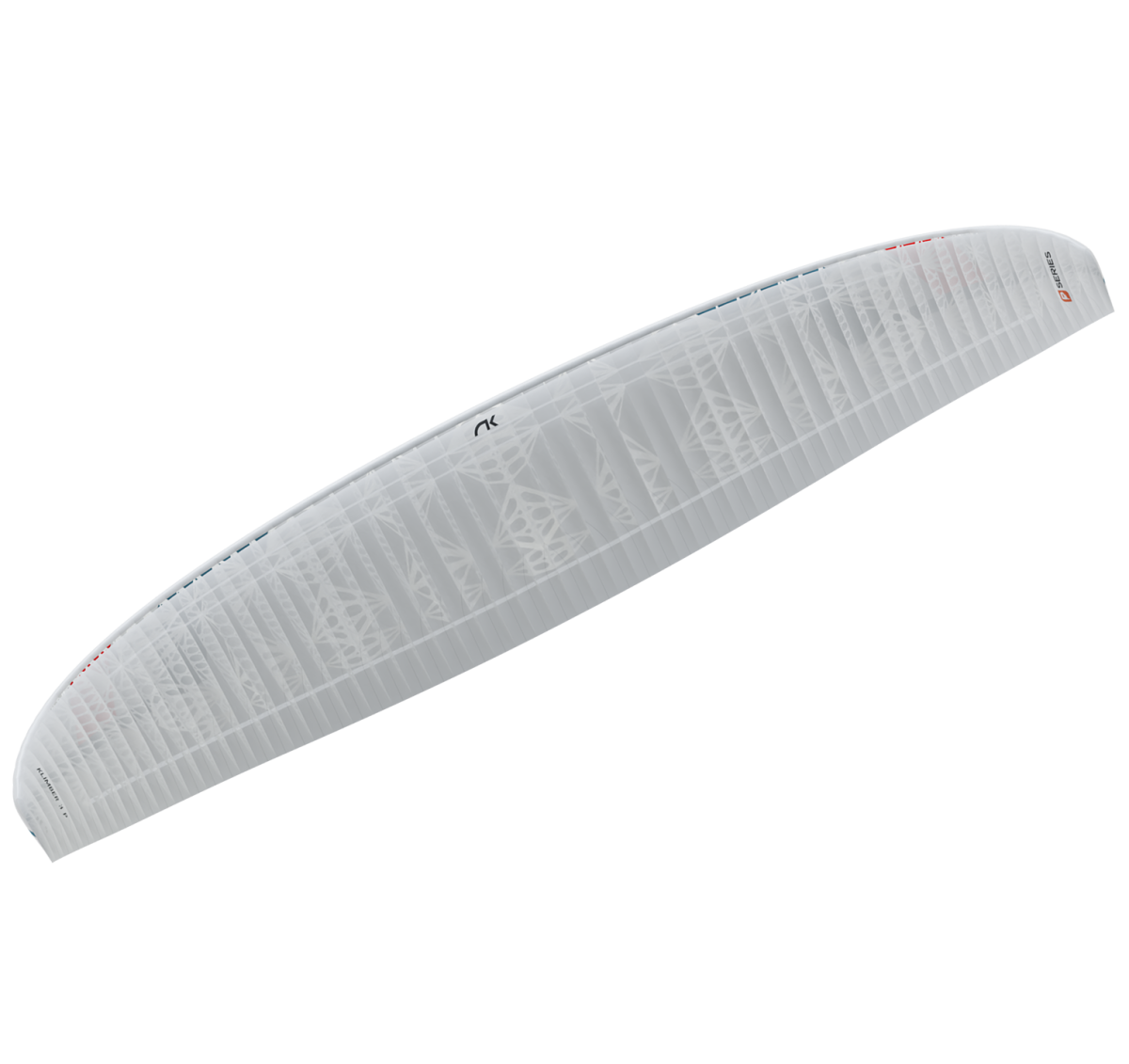
Overview
The Klimber 3 P is Niviuk’s third-generation ultralight two-liner, built specifically for hike & fly racing, XC, and vol-biv missions where every gram in the pack matters. This is not a wing for weekend sledders or newer pilots — it’s an EN D machine developed alongside Niviuk’s Red Bull X-Alps program, and it’s aimed squarely at experienced pilots who want race-bred performance without the weight penalty of a standard-cloth competition glider.
Key Specs
| Spec | Detail |
|---|---|
| Certification | EN D / LTF 2-3 |
| Wing type | Two-liner (Peak 6-derived airfoil) |
| Available sizes | 20, 21, 23 |
| Minimum weight (size 20) | 2.85 kg |
| Fabric | Dokdo 10D (per third-party retailers) |
| Series | P Series |
| Use case | Hike & Fly racing, XC, Vol-biv |

Build your Gear Closet
View all of your gear in one place, create packing lists and hit the trail with confidence. Available on iOS, Android and the web.
Get StartedPerformance
Niviuk built the Klimber 3 P around a new airfoil borrowed from the Peak 6, and the stated goal was to tame some of the pitchy, nervous behavior that light two-liners are notorious for. The design improvements have considerably reduced pitch and roll movement, and thanks to Niviuk technologies and a new airfoil, the wing is more stable above the pilot and more efficient in flight. That’s the marketing line, but it’s echoed by independent testers too.
On launch, pilots who’ve flown it describe it as easier than you’d expect for a wing in this class. One reviewer noted it’s still feels like a Klimber, but take off is easier than you can imagine, comparing it to how a Kode P comes up. That’s a meaningful data point — the Kode P is Niviuk’s beginner-friendly hike & fly wing, so having a race-oriented EN D inflate with similar ease is a genuine selling point for anyone who’s had to fight a stubborn wall of fabric on a rocky alpine launch.
In the air, the brake feel gets consistent praise. In the air it also has the good Niviuk Pitch stability, though it’s rather firm on the brakes and the pressure on the B’s is harder than on the Klimber 2, with noticeably longer brake travel that makes it harder to stall. That longer brake travel is a double-edged sword: it buys you more margin before a stall, but it also means you need to commit to bigger inputs to get the same response, which takes some recalibration if you’re coming from a shorter-throw wing.
Handling and feedback are where this wing seems to really shine for pilots who already fly two-liners. Reviewers really like the feedback of the Klimber 3 — you can feel really well what’s happening, the brake authority is amazing, you have full control over the leading edge with your brakes, you can feel collapses coming and can easily stop them, and you feel like you have more control than with many other wings on the market. That’s a strong endorsement for a wing this light, since ultralight cloth often trades away some of that tactile connection.
On climb and glide, expectations should be calibrated to the category. One pilot found the Klimber 3 slows slightly before entering a thermal but climbs quite nicely for the category, cautioning that these super light gliders are optimized to reduce weight and shouldn’t be expected to perform like a heavier “X” class wing — though they’ll deliver high-end performance for the light EN-D class, especially with the speed bar pushed. On top-end speed, the same pilot found it competitive against other light EN Ds: the speed travel is quite long and delivers a higher top speed than the Omega ULS, with the glide at 57 km/h quite competitive.
Comfort-of-flight anecdotes back up the launch reports. Testers report excellent climbing abilities even when loaded or slightly overloaded, with agility, handling, and thermaling capabilities contributing to an impressive ascent that lives up to the “Klimber” name.
Overall pack weight for a full hike & fly kit is genuinely competitive. It’s a relatively easy 2-liner EN-D for its class, and if the harness and glider package is carefully chosen, a complete kit — glider, vario, phone, helmet, water, and snacks — can come in under 7.5 kg, though that’s only achievable if your body weight fits the wing’s range. For competition-minded pilots, Niviuk’s own pairing shows what’s possible: Niviuk’s 2023 Red Bull X-Alps pilots used the Arrow P Race harness and Expe Race rucksack with the Klimber 3 P, for a kit weighing around 4.5kg. That’s an extreme, race-only setup, but it illustrates the ceiling.
Packability is one of the quieter wins here. Niviuk designed the wing to go big distances with evolved glide and thermal performance, and the use of Nitinol allows a more compact and practical packing for multi-day adventures. If you’re doing vol-biv trips where you’re stuffing the wing into a pack every night for a week straight, that packed volume matters as much as the flying weight.
Pros & Cons
Pros
- Genuinely light for an EN D two-liner — 2.85 kg minimum weight opens up sub-7.5 kg full kits
- Easier-than-expected launch behavior for a wing in this performance class
- Strong brake feedback and collapse resistance reported by multiple pilots
- Nitinol construction keeps packed size manageable for multi-day vol-biv use
- Competitive top speed against similarly-classed light EN D wings
Cons
- Firmer brake pressure and longer brake travel than the previous Klimber 2 — requires recalibration for pilots switching from other wings
- EN D certification means this is strictly for experienced, current pilots — no beginner-friendly margin
- Thermal entry reportedly a touch soft compared to standard-weight competition wings; don’t expect it to out-climb a heavier “X” class glider
- Very limited independent long-term review data available — most feedback comes from initial demo/testival reports rather than season-long ownership
- Narrow size range (20/21/23) means less flexibility for pilots outside the core weight brackets
Who Should Buy This
This wing is for the pilot who already has serious airtime on two-liners and wants to shave kilos off a hike & fly or vol-biv kit without dropping into standard-weight competition territory. If you’re eyeing something like the X-Alps, a multi-day vol-biv trip through the Alps, or a hike & fly race series, and your all-up weight lands comfortably in one of the three available size brackets, the Klimber 3 P is a legitimate tool. It is not the wing to learn two-liner habits on — Niviuk and every retailer selling it are clear that this is built for experienced, current pilots only.
Verdict
The Klimber 3 P delivers on its brief: race-capable performance in a package light enough to actually hike with, and early feedback suggests Niviuk has smoothed out some of the nervier tendencies that plague ultralight two-liners. It’s not going to out-climb a standard-weight EN D, and the firmer brakes take some adjustment, but for the specific job of long days and big vert with a wing on your back, it’s a well-regarded option. I’d rate it an 8/10, with the caveat that independent long-term reviews are still thin — worth a demo flight before you commit.