Ziploc Gallon Freezer Bags Review
A staple of ultralight food storage and organization—cheap, tough enough for the trail, and nearly weightless at 12 grams.
Overview
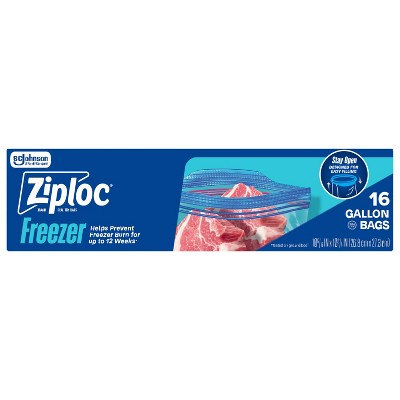
Ziploc Gallon Freezer Bags aren’t a “backpacking product” in any marketed sense — they’re the same bags sitting in your kitchen junk drawer. But they’ve become a near-universal piece of ultralight kit for one simple reason: at 12 grams and a few cents apiece, they do a surprising number of jobs (food storage, electronics/document dry-bagging, trash compaction, even in-bag meal rehydration) better than almost anything purpose-built at that weight. This review covers the standard double-zipper gallon freezer bag, not the slider or “Stay Open” variants.
Key Specs
| Spec | Value |
|---|---|
| Weight | 12.0 g per bag |
| Capacity | 1 gallon (3.4 L) |
| Dimensions | 10 9/16” x 10 3/4” |
| Closure | Double zipper (Smart Zip seal) |
| Material | BPA-free plastic |
| Reusable | Yes, hand-wash and air dry |
| Price | ~$0.15–0.25 per bag depending on pack size |

Build your Gear Closet
View all of your gear in one place, create packing lists and hit the trail with confidence. Available on iOS, Android and the web.
Get StartedPerformance
Food storage and organization. This is the bag’s bread and butter, literally. I use one per day’s food when I’m portioning out a resupply, and a couple of larger ones as a full food bag liner inside my Ursack or hang sack. The double zipper seals well enough to keep out moisture and most odors, though it’s not airtight enough to fool a bear’s nose on its own — treat it as organization, not scent-proofing.
Heat and rehydration. One use that comes up a lot in backpacking forums is cooking Mountain House-style meals directly in the bag with near-boiling water. Ziploc brand freezer bags, over storage bags, are considered more durable and better suited to taking on more heat, so if you’re pouring near-boiling water into one, the freezer style is the way to go. I’ve done this a handful of times without issue, but I still wrap the bag in a pot cozy or a wool sock — the plastic gets soft and the seams are the weak point when hot liquid is sloshing around.
Durability. These aren’t indestructible, and expectations should be calibrated accordingly. A long-running touring forum thread comparing freezer bags found that thicker competitor bags may be more durable, or more puncture, tear, abrasion, and wear resistant than standard Ziplocs, and users noted vibration and slow abrasion can be an issue when touring — the same applies to a bag getting jostled around in a backpack for days. One trail-focused review put it plainly: they’re not the most durable when compared to Loksak OPsaks but they’re much cheaper. That tracks with my experience — I’ve had bags develop pinhole leaks after a week or two of daily use, especially if I’m cramming in anything with sharp edges (energy bar wrappers, granola clusters).
Reusability. The upside is these aren’t strictly single-use. They’re highly washable and reusable and you shouldn’t need to throw away and replace every single one when you resupply in town. I typically get 3-5 resupply cycles out of one bag before the zipper starts feeling gritty or a seam starts to fail.
Seal quality. The double-zipper closure on the standard freezer bag (as opposed to the newer slider versions) has held up well for me — I haven’t had a zipper blow out the way testers reported with the slider-closure gallon bags, which is worth noting if you’re choosing between Ziploc’s product lines. Stick with the classic double-zip for anything you’re relying on for days at a time.
Non-food uses. I’ve used mine as an improvised dry bag for a phone and paper map, and as an odor-reducing liner for a trash bag on multi-day trips. They’re so cheap and for their weight and price, they’re actually durable and reliable enough to store things in on your thru-hikes, and plenty of hikers use them for IDs, passports, and electronics.
Pros & Cons
Pros
- Essentially free and weighs almost nothing (12 g)
- Reusable for multiple resupply cycles if you rinse and dry them
- Heat-tolerant enough for in-bag meal rehydration
- Double-zipper seal is more reliable than newer slider versions
- Widely available anywhere with a grocery store — easy to restock on trail
Cons
- Not puncture or abrasion-proof; sharp food packaging can poke through
- Not truly odor-proof or airtight — don’t rely on it alone in bear country
- Seams and zipper degrade with repeated heat exposure and reuse
- Clear plastic shows wear/grime quickly, which bugs some people cosmetically (doesn’t affect function)
Who Should Buy This
Pretty much every backpacker, honestly — this isn’t a niche product. It’s ideal for anyone who wants a nearly weightless way to portion food, organize a pack, or add a layer of moisture protection without paying for (or carrying) a dedicated dry bag or specialty pouch. If you need genuine odor-proofing for bear country or want maximum durability for a bag you’ll reuse for months, step up to a Loksak OPsak instead — but for day-to-day resupply organization and general trail utility, there’s no real reason to look elsewhere.
Verdict
At 12 grams and pennies per bag, Ziploc Gallon Freezer Bags are one of the best value-per-gram items you can put in a pack, and the double-zipper version is durable enough for the abuse of daily trail use if you don’t expect it to last forever. I’d rate it an 8/10 — it loses points only for lacking true odor-proofing and for a shelf life measured in days-to-weeks of hard use rather than months, but for the cost and weight, nothing else comes close.